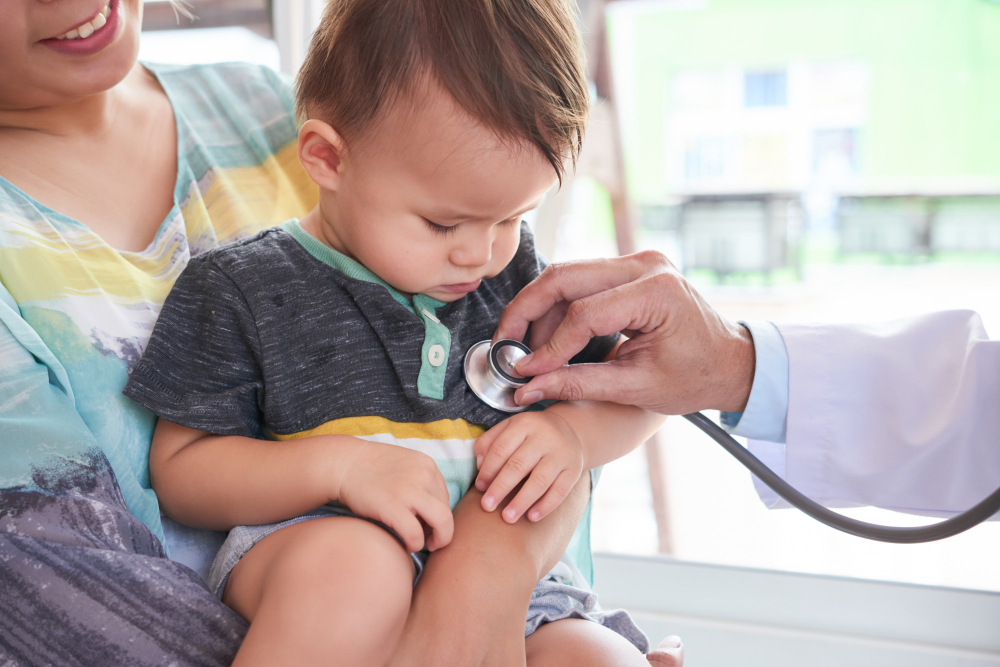
Preventive health checkups in children are regular visits to the doctor to keep your child healthy. These visits, also called child wellness visits or routine pediatric checkups, help spot health problems early. In fact, pediatric preventive care can catch issues before they become serious. During these checkups, doctors track growth, give vaccines, and answer your questions. Because early care is best, regular visits are important for every child.
What Are Preventive Health Checkups in Children?
Preventive health checkups in children are planned doctor visits, not just for sickness. Instead, these visits focus on keeping your child healthy. During each visit, the doctor checks your child’s growth and development. Also, they make sure your child gets needed vaccines. These visits are a key part of pediatric preventive care.
Key parts of a preventive health checkup include:
Why Are Preventive Health Checkups Important?
Preventive health checkups offer many benefits for children. For example, these visits help find health issues early. Also, they keep your child’s vaccines up to date. Most importantly, they give parents a chance to ask questions and learn about healthy habits.
Some key benefits include:
According to the CDC and WHO, regular checkups are vital for a child’s well-being.
Recommended Schedule for Pediatric Checkups
The CDC and WHO suggest a set schedule for child wellness visits. Early visits are more frequent, then become yearly as your child grows. Following this schedule helps catch problems early and keeps vaccines on track.
Typical checkup schedule:
Your doctor may suggest extra visits if needed. Always follow your pediatrician’s advice for the best care.
What to Expect During a Pediatric Preventive Visit
During a preventive health checkup, the doctor will check your child’s height, weight, and vital signs. Next, they may do a physical exam and ask about your child’s eating, sleeping, and behavior. Also, your child may get vaccines if needed. The doctor will answer your questions and offer advice for healthy growth.
To prepare for the visit:
Because each visit is different, ask your doctor what to expect ahead of time.
How to Make the Most of Your Child’s Checkup
To get the most from each checkup, come prepared. For instance, write down questions about your child’s health. Also, share any changes you have noticed. The doctor can help with topics like nutrition, sleep, or school concerns.
Questions you might ask include:
Remember, your doctor is there to help. Do not hesitate to ask anything on your mind.
Prevention and Healthy Habits
Besides checkups, healthy habits are key for your child’s well-being. For example, offer a balanced diet with fruits, vegetables, and whole grains. Encourage daily physical activity, like playing outside or joining sports. Also, set a regular sleep schedule to help your child rest well. Teach good hygiene, such as handwashing, to prevent illness. Because healthy habits start early, your guidance makes a big difference.
Schedule regular preventive health checkups with Care Well Hospital for your child’s personalized care and peace of mind.