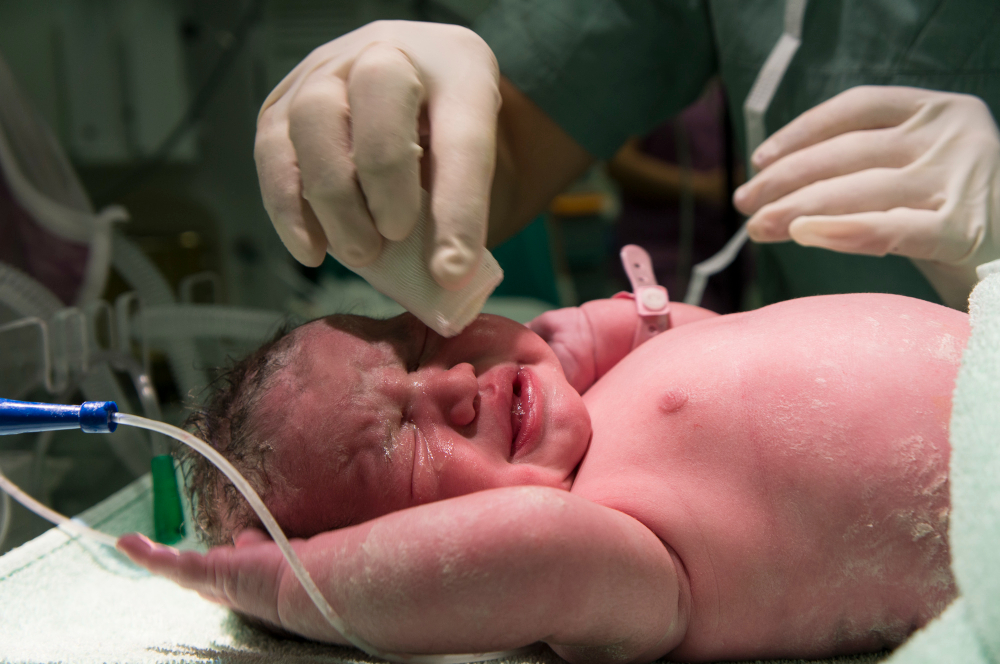
What is Neonatal Sepsis?
Neonatal sepsis is a serious infection in newborns. It happens when bacteria, viruses, or fungi enter a baby’s blood. Because newborns have weak immune systems, they are more at risk. Early detection is important, as neonatal sepsis can become life-threatening if not treated quickly. Parents and caregivers should know the signs and seek help right away.
Common Causes of Neonatal Sepsis
Many germs can cause neonatal sepsis in newborns. Often, these germs come from the mother during birth or from the environment after delivery. For example, some babies get infected while still in the womb, while others get sick after birth. The most common causes include:
Additionally, babies born early or with low birth weight have a higher risk. If the mother had an infection during pregnancy, the risk also increases.
Signs and Symptoms in Newborns
Early signs of sepsis in babies can be hard to spot. However, knowing what to look for can save lives. Watch for these symptoms:
Sometimes, symptoms appear within the first few days. Other times, they develop later. Therefore, always watch for changes in your baby’s behavior or health.
How Neonatal Sepsis is Diagnosed
Doctors use several tests to diagnose neonatal sepsis in newborns. First, they check the baby’s symptoms and medical history. Next, they may order tests such as:
Because early treatment is vital, doctors may start antibiotics before test results are ready. This approach helps protect the baby while waiting for answers.
Treatment Options for Neonatal Sepsis
Treatment for neonatal sepsis begins as soon as doctors suspect an infection. Usually, babies receive antibiotics through a vein. In some cases, antiviral or antifungal medicines are needed. Additionally, doctors may give fluids, oxygen, or other support if the baby is very sick. Most babies stay in the hospital for close monitoring. With early care, many newborns recover well.
Prevention Tips for Parents
While not all cases can be prevented, parents can take steps to lower the risk of sepsis in infants. Consider these tips:
Moreover, if you notice any signs of illness, seek help right away.
When to Seek Medical Help
If your newborn shows any early signs of sepsis, act quickly. For instance, if your baby has trouble breathing, is very sleepy, or refuses to eat, call your doctor. Even mild symptoms can become serious fast. Therefore, never wait if you are worried about your baby’s health. Early treatment saves lives.
If you suspect neonatal sepsis, consult a pediatric specialist at Care Well Hospital immediately for expert care.