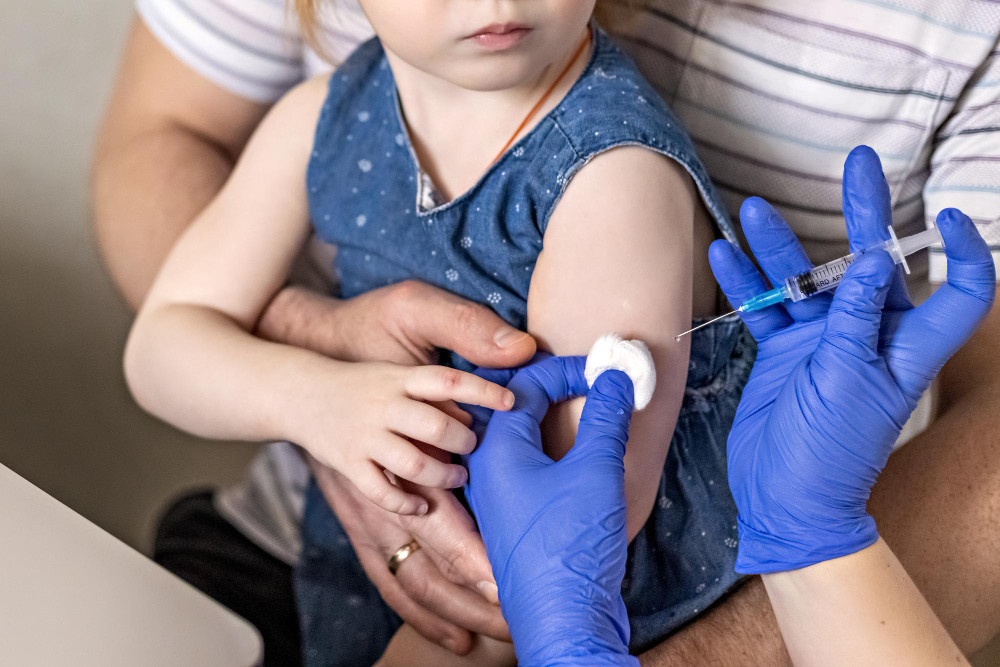
Vaccines protect children from serious diseases. They help keep your child healthy and safe. In this guide, we will explain the key vaccines your child needs and why they are important. We will also cover the childhood immunization schedule, vaccine safety for children, and the benefits of vaccinating children. Understanding these facts can help you make the best choices for your family.
What Are Childhood Vaccines?
Childhood vaccines are shots that help prevent certain diseases. These diseases can be dangerous or even deadly. For example, vaccines protect against measles, polio, and whooping cough. Most vaccines are given as a shot in the arm or leg. Some vaccines are given by mouth or nose. Doctors follow a set schedule to give these vaccines at the right ages.
Why Are Vaccines Important for Children?
Vaccines save lives. They stop children from getting sick with diseases that once caused many deaths. Because of vaccines, diseases like polio are now rare in many places. In addition, vaccines help protect people who cannot get shots, such as babies or those with weak immune systems. When more children get vaccinated, the whole community stays safer.
List of Key Vaccines for Children
Doctors follow the childhood immunization schedule. This schedule tells you when your child should get each vaccine. The U.S. Centers for Disease Control and Prevention (CDC) recommends these key vaccines:
Some vaccines may be given at different times based on your child’s health or travel needs. Always check with your doctor for the latest recommendations.
How Vaccines Work: Basic Overview
Vaccines teach the body to fight germs. They use tiny, safe parts of the germ or a weakened version. When your child gets a vaccine, their body learns to recognize the disease. Later, if your child is exposed, their body can fight it off quickly. As a result, your child stays healthy and avoids getting sick.
Common Myths and Facts About Childhood Vaccines
Many myths about vaccines are not true. Let’s look at some common ones:
For more information, visit the CDC or WHO websites.
Safety and Side Effects of Vaccines
Vaccines are tested for safety before they are approved. Most side effects are mild and go away quickly. For example, your child may have a sore arm, mild fever, or redness where the shot was given. Serious side effects are very rare. If you have concerns, talk to your doctor about vaccine safety for children.
How to Keep Track of Your Child’s Vaccination Schedule
It is important to follow the childhood immunization schedule. Here are some tips to help you:
Staying on track helps protect your child and others.
Tips for Parents: Preparing for Vaccination Visits
Getting ready for a vaccine visit can make things easier. Try these tips:
These steps can help your child feel safe and calm.
Prevention and Community Protection (Herd Immunity)
When most people get vaccinated, diseases cannot spread easily. This is called herd immunity. It helps protect babies, older adults, and those who cannot get vaccines. Because of herd immunity, whole communities stay healthier. So, by vaccinating your child, you help protect others too.
Vaccines are a safe and proven way to keep your child healthy. They also protect your family and community. Consult your pediatrician Dr. Sachin Nikam at Care Well Hospital to ensure your child receives all recommended vaccines on time.