Introduction
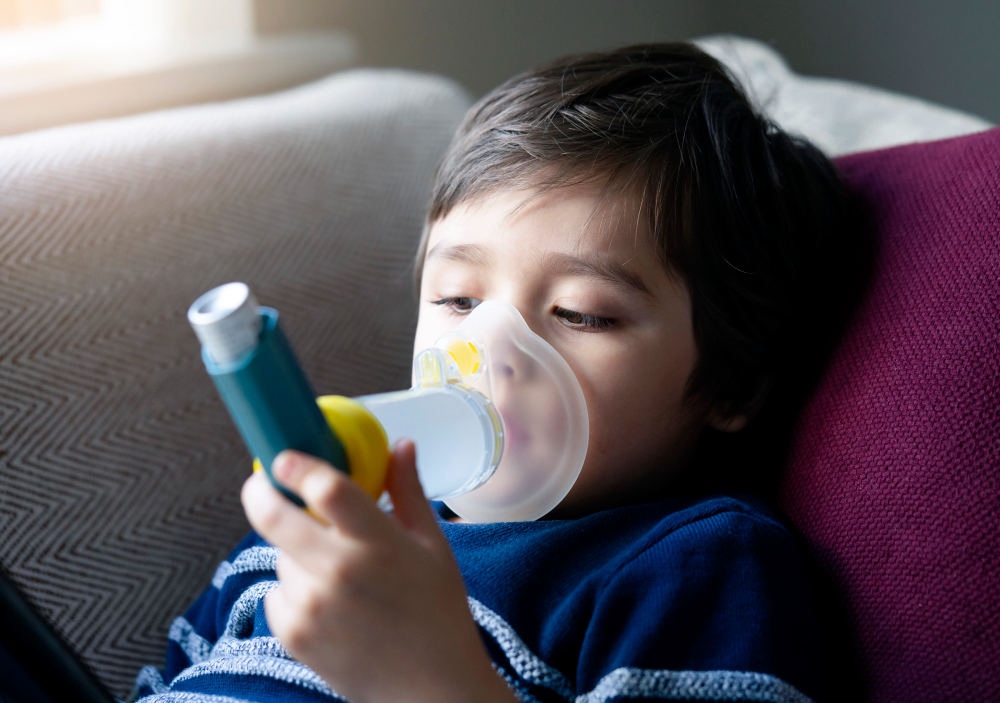
Childhood asthma is a long-term lung condition that affects many children worldwide. It causes the airways in the lungs to become swollen and narrow. As a result, children may find it hard to breathe. According to the CDC, asthma is one of the most common chronic diseases in children. Because it can affect daily life, early care is important. With the right management, most children with asthma can lead active, healthy lives.
Symptoms of Childhood Asthma
Asthma symptoms in children can vary. Sometimes, they are mild. Other times, they can be severe. Early recognition helps in managing pediatric asthma better. Common symptoms include:
However, not all children have the same symptoms. Some may only cough, while others may have several signs at once.
Common Causes and Risk Factors
There is no single cause for childhood asthma. Instead, several factors can increase the risk. For example, children with a family history of asthma or allergies are more likely to develop it. Other common causes and risk factors include:
Additionally, changes in weather or strong emotions can trigger asthma symptoms in children.
Diagnosis Methods
Doctors use several methods to diagnose childhood asthma. First, they ask about your child’s symptoms and medical history. Next, they may perform a physical exam. To confirm asthma, doctors often use breathing tests. These tests measure how well your child can move air in and out of the lungs. For younger children, doctors may watch for patterns in symptoms over time. Sometimes, allergy tests help find triggers.
Treatment Options
Managing pediatric asthma involves both quick-relief and long-term treatments. Doctors choose the best plan based on your child’s needs. Common asthma treatment for kids includes:
With regular check-ups, your doctor can adjust the treatment plan as your child grows.
Lifestyle Tips and Home Management
Good home care can help manage childhood asthma. For instance, keeping your home clean reduces dust and allergens. Here are some helpful tips:
Moreover, always follow your child’s asthma action plan. This plan tells you what to do if symptoms get worse.
Prevention Strategies
While you cannot always prevent childhood asthma, you can lower the risk of attacks. For example, avoid known triggers like smoke or strong scents. Also, make sure your child takes their medicine as prescribed. Other prevention tips include:
By staying alert, you can help your child avoid many asthma problems.
When to See a Doctor
Sometimes, asthma symptoms can get worse quickly. You should call your doctor if:
In emergencies, seek medical help right away. Early treatment can prevent serious problems.
Conclusion
Childhood asthma can be managed with the right care and support. Early diagnosis, proper treatment, and healthy habits make a big difference. For the best results, consult a pediatric specialist at Care Well Hospital for personalized guidance.