Introduction to Newborn Reflexes
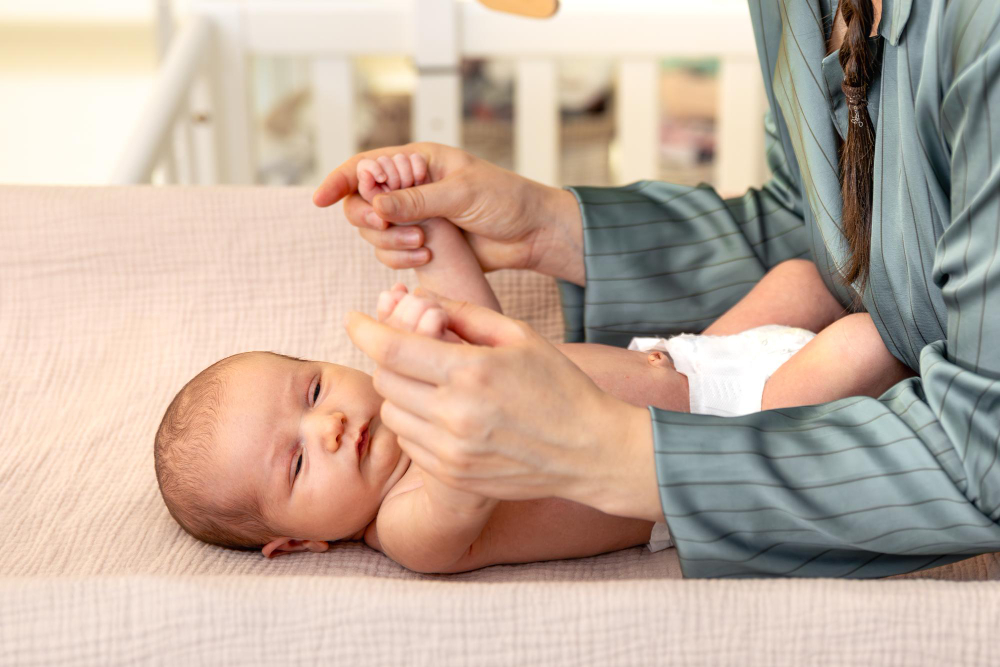
Newborn reflexes are natural movements that babies show soon after birth. These reflexes help babies survive and grow. For example, they help babies eat, move, and react to the world. Because newborn reflexes are important signs of healthy brain and nerve development, doctors check them during check-ups. In fact, knowing about these reflexes can help parents feel more confident as they care for their baby.
Common Types of Newborn Reflexes
Babies are born with several key reflexes. Each one has a special purpose. Below are the most common types of newborn reflexes:
Baby Reflexes Timeline: When Do Newborn Reflexes Disappear?
Each newborn reflex appears and fades at a certain age. Knowing the baby reflexes timeline helps parents track healthy growth. Here is a simple guide:
However, every baby is unique. Some reflexes may fade a little earlier or later. If you have concerns, it is best to ask your pediatrician.
Normal vs. Abnormal Newborn Reflexes
Most newborn reflexes are easy to spot. They should be the same on both sides of the body. For example, both arms should move during the Moro reflex. Normal reflexes are quick and even. But, if a reflex is missing, weak, or lasts too long, it may signal a problem. Sometimes, reflexes that do not fade on time can point to nerve or brain issues. Also, if only one side of the body reacts, it is important to tell your doctor.
When to Consult a Pediatrician
While most reflexes are normal, some signs mean you should see a doctor. For example, contact your pediatrician if:
Early care can help if there is a problem. Therefore, do not wait if you notice anything unusual.
Tips for Parents: Observing and Supporting Healthy Reflex Development
Parents play a key role in watching their baby’s reflexes. Here are some tips to help:
Above all, remember that every baby develops at their own pace. Still, knowing what to expect can help you feel prepared.
Conclusion
Newborn reflexes are a natural part of your baby’s early life. They show healthy growth and help your doctor check your baby’s development. If you notice anything unusual or have questions, consult a pediatrician at Care Well Hospital for personalized advice about your baby’s reflexes.